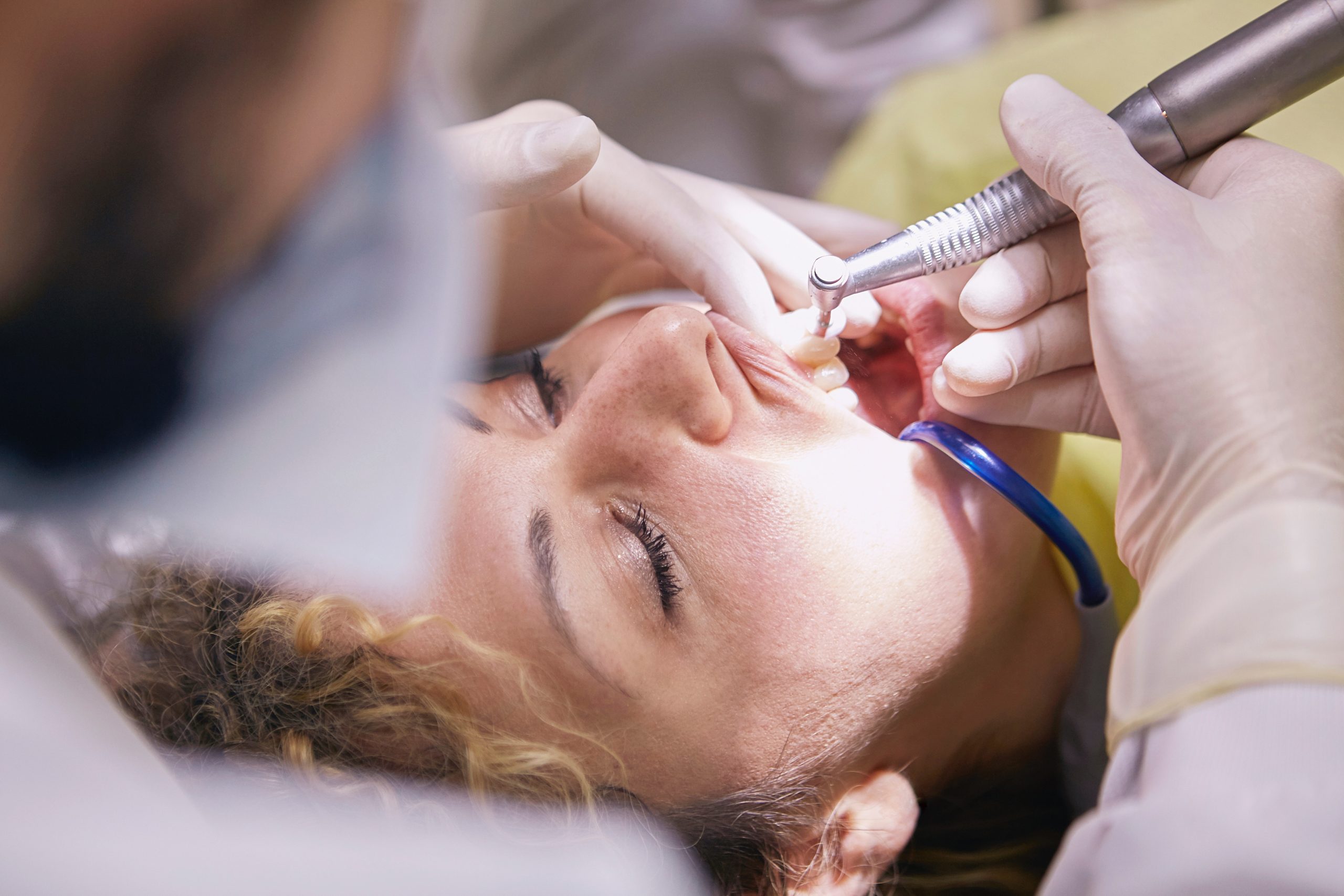
In today’s world, maintaining oral health goes beyond just keeping gums and teeth clean. When it comes to dealing with significant dental issues, individuals often require reconstructive dental care. But how affordable is this necessary healthcare service? Understanding the cost of reconstructive dental care can help patients make informed decisions regarding their treatment.
Understanding Reconstructive Dental Care
Reconstructive dental care refers to procedures that restore both the function and aesthetics of a patient’s mouth. Different from cosmetic dentistry, which primarily focuses on enhancing appearance, reconstructive care focuses on repairing teeth and mouths impacted by trauma, oral disease, or structural defects. Common procedures include dental implants, bridges, crowns, dentures, and more complex surgeries.
The necessity for reconstructive care often arises from incidents such as severe tooth decay, injuries, or even congenital conditions. It’s not just about vanity; restoring the ability to chew properly, speak clearly, and alleviate pain or discomfort is crucial for overall health and well-being. Whether it’s a straightforward filling or a complex reconstructive dental care procedure, the aim is always to bring back the functionality and health of the oral cavity.
Factors Affecting the Cost of Reconstructive Dental Care
One might ask, why does reconstructive dental care vary so widely in cost from one procedure to another? Various factors influence this variability, starting with the complexity of the procedure. More intricate treatments involving advanced technology or extended recovery periods often cost more.
Geographical location also significantly impacts the overall cost. For instance, services such as tooth extraction in Pompano Beach may differ in price as compared to similar services in larger cities. Additionally, individual dental practitioners’ expertise and reputation may play a role. Highly acclaimed specialists could charge higher fees, reflecting their experience and level of care.
Comparing Common Reconstructive Procedures and Their Costs
Reconstructive dental procedures can range from minor extractions to full mouth reconstruction. Costs will vary greatly depending on the specific needs of each patient. Let’s compare some common procedures:
1. Dental Implants
Dental implants are one of the most costly reconstructive procedures. Prices can range from $1,000 to $3,000 per implant. This cost typically covers the surgery for the post and the crown that mimics a natural tooth. Implants are often considered the gold standard for tooth replacement, providing durability and a natural feel.
2. Bridges and Crowns
A dental crown, used to cover or “cap” a damaged tooth, can cost anywhere from $800 to $1,500. In cases where a bridge is necessary, the cost can increase significantly depending on the number of teeth and materials used. Bridges might cost between $2,000 to $5,000 or more.
3. Dentures
For those requiring dentures, the cost may range from $600 to over $8,000, depending on whether dentures are partial, full, temporary, or permanent.
4. Wisdom Teeth Removal
Another aspect of reconstructive dental treatment is wisdom teeth removal. This procedure can range from $75 to $200 per tooth. However, prices could increase if complications arise or if general anesthesia is required. Many people require wisdom teeth removal in young adulthood to prevent future oral health issues.
Insurance Coverage and Payment Plans
Understanding the role of insurance in covering reconstructive dental costs is crucial. Most dental insurance plans do cover reconstructive procedures, at least partially. However, coverage can vary significantly based on the type of plan and policy specifics.
It’s advisable for patients to review their insurance policies thoroughly to understand their benefits and out-of-pocket responsibilities. For those without adequate insurance or facing high out-of-pocket expenses, many dental offices provide flexible payment plans or financing options to help manage the costs.
Furthermore, some clinics may offer discounts for upfront payments, while others might partner with healthcare credit companies to provide loans with interest rates suited to meet various financial situations.
The Impact of Technological Advances
Technological innovations play a vital role in transforming reconstructive dental care. Digital imaging, laser tools, and precision machinery have undeniably expedited treatment processes, enhancing accuracy and outcomes. However, they have also influenced costs.
Advanced technologies might mean higher costs initially, but they typically bring better, longer-lasting results, reducing the need for repeat procedures. Patients must weigh the pros and cons of high-tech procedures versus more traditional methods when considering their budget and needs.
The Importance of Consulting with Dental Professionals
With so many variables affecting the cost of reconstructive dental care, personal consultation with a dental professional becomes invaluable. A comprehensive examination and discussion with a dentist can illuminate the most suitable personal treatments and their projected costs.
Consultations often provide clarity on procedural necessity, potential alternatives, and possible complications. They also offer a better understanding of the timeline and recovery expectations, which can impact both financial and emotional considerations.
Why Oral Health Investment Matters
Despite the sometimes daunting costs, investing in reconstructive dental care is an investment in one’s overall health and quality of life. Proper oral health is linked to numerous general health benefits, including reduced risk for heart disease and diabetes, alongside improving social confidence and emotional well-being.
The true value of such care transcends mere immediate aesthetic improvements. It ensures long-term functionality and health, making it a worthwhile consideration for those facing dental challenges.
Final Thoughts on Reconstructive Dental Care Costs
Breaking down the cost of reconstructive dental care reveals the intricate web of factors influencing its prices. From the type of procedure and technology used to geographical location and the dentist’s experience – each plays a crucial role in shaping the final bill.
Ultimately, the path to reconstructing one’s dental health is highly individualized. It necessitates personalized consultation and a thoughtful approach to both financial and health-related aspects. By understanding potential costs and options, patients can navigate their dental care journey more confidently and effectively.